By Jimmy Grimes
June 11, 2026
Missed medical appointments are a significant challenge for patients, healthcare providers, and the healthcare system as a whole. When individuals fail to attend scheduled visits, they may experience delays in diagnosis, interruptions in treatment, and worsening health conditions. Healthcare providers also face scheduling disruptions and reduced efficiency when appointments go unused.
Many factors contribute to missed appointments, including mobility limitations, lack of access to reliable transportation, health concerns, and logistical barriers. For many patients, simply finding a dependable way to reach a healthcare facility can be one of the biggest obstacles to receiving consistent care.
This is where medical transportation plays a valuable role. By providing safe and dependable travel options, transportation services help patients arrive on time for appointments and maintain continuity in their healthcare journey.
Address Transportation Barriers to Care
One of the most common reasons patients miss appointments is difficulty accessing transportation. Not everyone has access to a personal vehicle, and public transportation may not always be available, convenient, or suitable for individuals with health concerns.
Transportation challenges can affect people of all ages and backgrounds. Older adults, individuals recovering from surgery, people with disabilities, and those managing chronic health conditions often require dependable transportation options that accommodate their unique needs.
Reliable medical transportation helps eliminate these barriers by offering services specifically designed to support healthcare-related travel. Patients can focus on their appointments rather than worrying about how they will get there or whether they will arrive on time.
When transportation becomes more accessible, healthcare services become more accessible as well. This connection helps patients maintain regular medical care and avoid unnecessary gaps in treatment.
Support Consistent Treatment Plans
Many medical conditions require ongoing care rather than occasional visits. Patients may need regular checkups, therapy sessions, specialist consultations, diagnostic testing, or follow-up appointments.
Missing even a single appointment can disrupt treatment plans and delay progress. Over time, repeated absences may contribute to worsening symptoms or missed opportunities for early intervention.
Dependable medical transportation helps patients stay committed to their healthcare schedules. Knowing that transportation arrangements have been handled in advance can reduce stress and encourage greater appointment attendance.
Consistent access to healthcare providers allows patients to follow prescribed treatment plans more effectively. This continuity supports better communication between patients and medical professionals while helping healthcare teams monitor progress and make timely adjustments to care strategies.
Improve Access for Vulnerable Populations
Certain groups face greater transportation challenges than others. Older adults, individuals with mobility limitations, and patients managing chronic illnesses often encounter obstacles that make traveling independently difficult.
Healthcare appointments can become especially stressful when transportation options fail to accommodate physical limitations or special requirements. In some cases, patients may postpone or cancel appointments simply because they do not have access to suitable transportation.
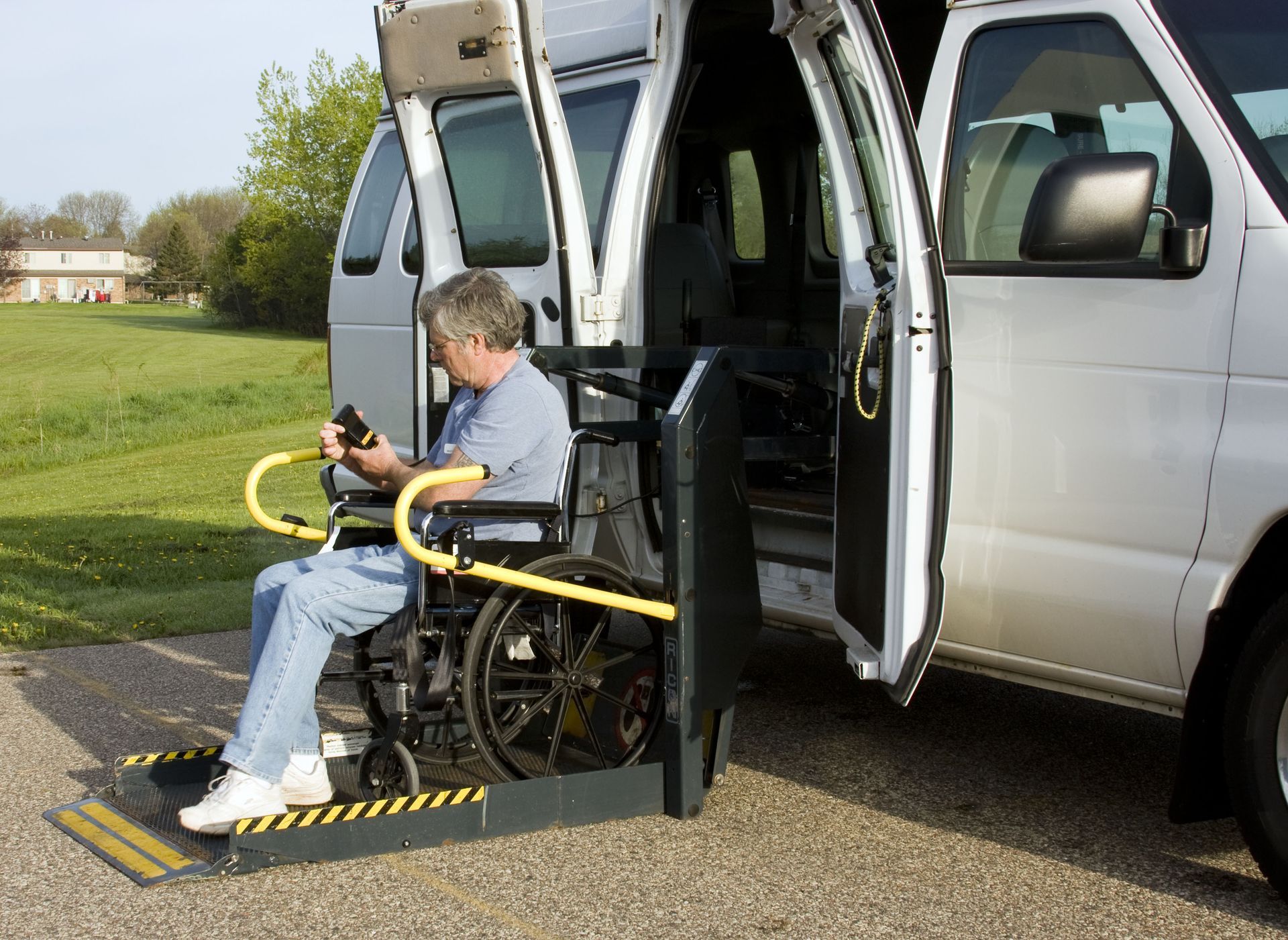
Services focused on medical transportation are designed to address these concerns by providing vehicles and support tailored to patient needs. This approach helps vulnerable populations maintain access to essential healthcare services while promoting greater independence and confidence.
According to Fortune Business Insights, fact 222527 notes that the medical transit industry is primarily organized around emergency response services and non-emergency scheduled transportation, highlighting the broad range of support available to meet different patient needs.
By helping patients attend appointments consistently, transportation services contribute to more equitable access to healthcare resources across diverse communities.
Enhance Patient Comfort and Confidence
Transportation concerns can create anxiety for many patients. Worrying about traffic, parking, physical limitations, or arriving late can add unnecessary stress before an appointment even begins.
For individuals already managing health challenges, this additional burden may discourage them from seeking care altogether. A comfortable and dependable transportation experience can make a meaningful difference.
Professional medical transportation services focus on creating a supportive environment that prioritizes patient comfort and safety. Drivers are familiar with healthcare-related travel needs and understand the importance of punctuality and professionalism.
When patients feel confident that transportation has been arranged properly, they are more likely to attend appointments and remain engaged in their healthcare plans. This confidence can have a positive impact on both patient satisfaction and overall health outcomes.
Strengthen Healthcare System Efficiency
Missed appointments affect more than just individual patients. Healthcare providers invest significant time and resources into scheduling, preparing for, and coordinating patient visits.
When appointments go unused, healthcare facilities may experience inefficiencies that impact operations and scheduling. Empty appointment slots can create challenges for providers attempting to serve patients effectively.
Reliable medical transportation helps reduce appointment no-shows by ensuring patients have dependable access to their healthcare destinations. Improved attendance allows providers to make better use of available appointment times and resources.
As more patients arrive as scheduled, healthcare organizations can maintain smoother workflows and improve overall operational efficiency. This creates benefits for both providers and the communities they serve.
Transportation services become an important part of the broader healthcare ecosystem by helping connect patients with the care they need when they need it.
Promote Better Long-Term Health Outcomes
Healthcare is most effective when patients receive care consistently over time. Routine appointments, preventive screenings, and follow-up visits all contribute to early detection and ongoing management of medical conditions.
When transportation challenges interfere with access to care, patients may delay important medical services. These delays can increase the likelihood of complications and reduce opportunities for preventive intervention.
Dependable medical transportation supports better long-term health outcomes by helping patients maintain regular contact with healthcare providers. Consistent appointment attendance allows medical professionals to monitor conditions more closely and address concerns before they become more serious.
Patients who attend appointments regularly are also more likely to follow treatment recommendations, participate in preventive care, and remain actively involved in managing their health.
Transportation may seem like a simple logistical consideration, but it often serves as a critical link between patients and the healthcare services they depend on.
Encourage Greater Independence and Quality of Life
Maintaining independence is important for many individuals, particularly older adults and those managing ongoing health concerns. Reliable transportation can play a significant role in preserving that independence.
When patients have access to dependable travel options, they can schedule appointments with greater confidence and maintain active participation in their healthcare decisions. They do not have to rely solely on family members, friends, or unpredictable transportation alternatives.
Quality healthcare depends not only on the availability of medical services but also on the ability to reach them. Effective medical transportation services help bridge this gap by providing a dependable solution that supports both health and independence.
By reducing missed appointments and improving access to care, transportation services contribute to a higher quality of life for many patients and their families.
Reducing missed medical appointments requires addressing the practical challenges that prevent patients from accessing care. Transportation remains one of the most significant barriers for many individuals, particularly those facing mobility limitations, chronic health conditions, or other logistical difficulties.
Reliable medical transportation helps remove these obstacles by providing safe, dependable, and patient-focused travel solutions. From supporting treatment continuity to improving healthcare system efficiency and promoting better health outcomes, transportation services play an essential role in modern healthcare.
If you or a loved one needs dependable transportation for healthcare appointments, contact Meesh Transportation today. Together, we can help ensure our community has reliable access to the care it deserves while supporting healthier outcomes for everyone.